logo
Discover the Birthplace of Portugal

We are located in the heart of a UNESCO World Heritage Site

Simbolo Unesco

The Historic Center of Guimarães is authentic for its location and framing, shapes and designs, materials and substances. It managed to preserve its historical stratigraphy and territorial integrity. The different phases of development are well integrated into the whole.
Palace of the Dukes of Bragança

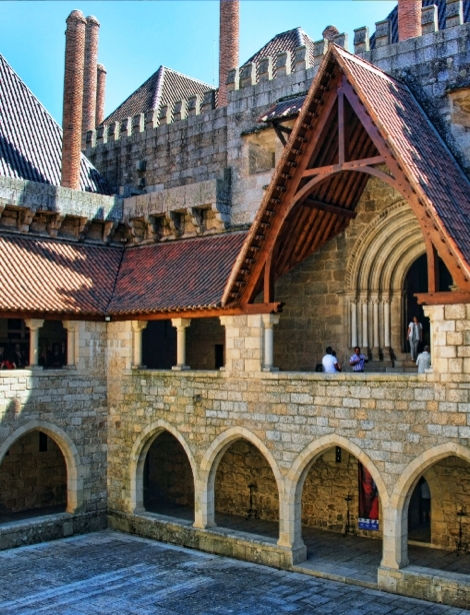
Palace of the Dukes of Bragança

Hotel da Oliveira · · · · · · · · 0,8 km · · · · · · · · Palace of the Dukes of Bragança

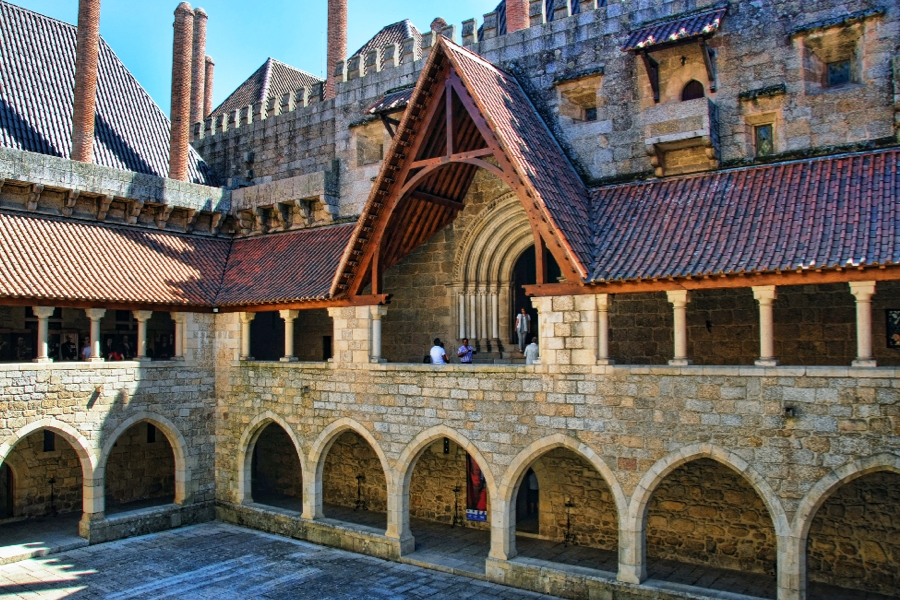
This majestic manor palace was built at the end of the 15th century, as the residence of the future Duke of Bragança, bastard son of D. João I, and his second wife.

Its vast dimensions, architectural features of a fortified house, strong sloped roofs and 39 chimneys recognize the influence of the noble architecture of Northern Europe in this National Monument, classifying it as a unique example in the Iberian Peninsula.

Despite the progressive abandonment and ruin from the 16th century onwards, its glory was preserved when it was restored in the 20th century. The existing collections include Pastrana and Flemish tapestries, Portuguese furniture from the post-discovery period, namely Indo-Portuguese, Hispanic-Arabic and Spanish counters, the Companhia das Índias porcelain collection and the faiences of the main Portuguese factories at the time.

Get directions
“Aqui nasceu Portugal” Wall

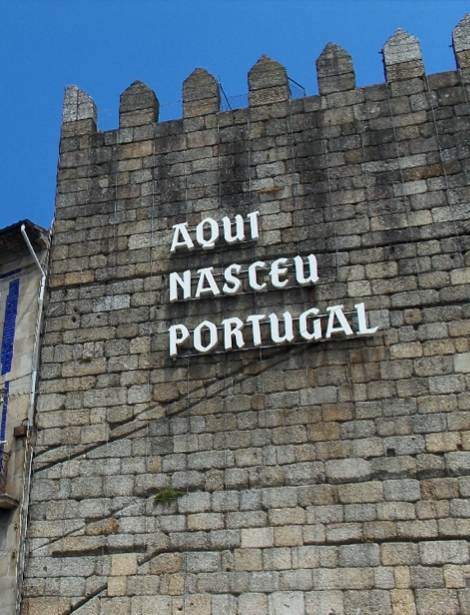
“Aqui nasceu Portugal” Wall

Hotel da Oliveira · · · · · · · · 0,3 km · · · · · · · · “Aqui nasceu Portugal” Wall

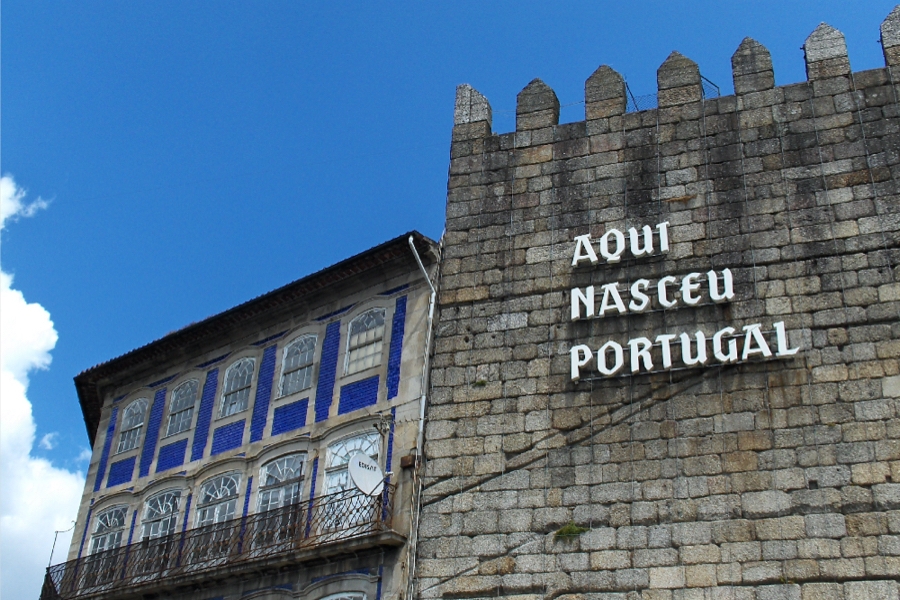
This imposing part of the old wall that surrounded the then town of Guimarães, actually belonged to one of the eight towers along its entire length, and was called Torre da Alfandega.

Built in the 13th century, the wall surrounded the entire village, which at the time was divided into two: Burgo Alto, corresponding to the Castle and Monte Latito area, and Burgo Baixo, where the Collegiate Church of Nossa Senhora da Oliveira was located.

Although most of the wall was destroyed between the 19th and 20th centuries, in addition to this tower, the eight gates of the village can be visited, where the entrances to its interior were located, as well as the Adarve of the wall and some traces near the Castle.

Get directions
Image #4
Image #5
Image #6
Image #7
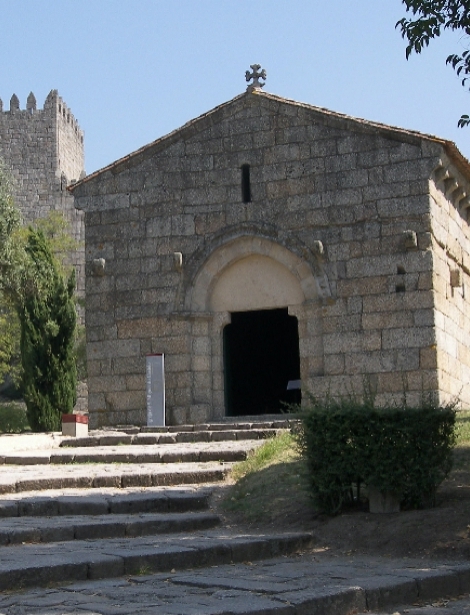
Saint Michael's Chappel

Saint Michael's Chappel

Hotel da Oliveira · · · · · · · · 0,5 km · · · · · · · · Saint Michael's Chappel

This small chapel, built by the Count D. Henrique during the 12th century, is one of the main symbols of Guimarães. Associated with the founding of nationality and the legend of having been baptized D. Afonso Henriques there.

Besides its small dimensions, Romanesque style and architectural simplicity, the flagged floor has the tombs of noble warriors, linked to the foundation and independence of Portugal, stands out in the interior.

Get directions
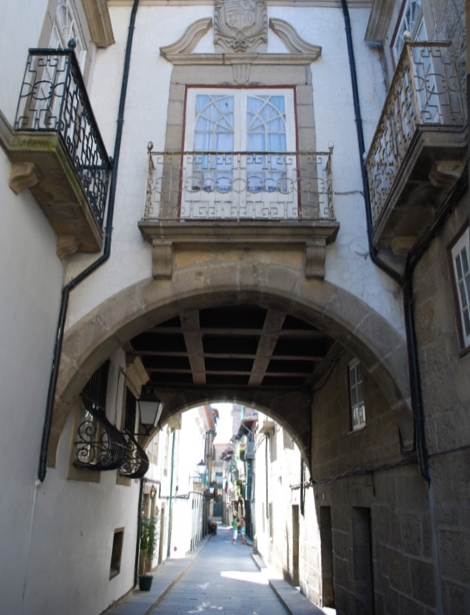
Santa Maria Street

Santa Maria Street

Hotel da Oliveira · · · · · · · · 0,1 km · · · · · · · · Santa Maria Street

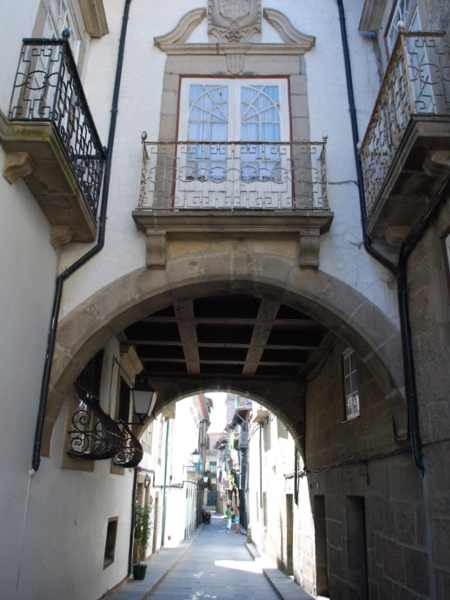
Rua de Santa Maria, where Hotel da Oliveira is located, was one of the first open streets in Guimarães, destined to unite the upper part, centered by the Castle of Guimarães, with the lower part of the village, developed around the Collegiate Church of Nossa Senhora da Oliveira, today Igreja da Oliveira.

There are several historical and architectural testimonies found along its path, such as the Santa Clara Convent, the Casa do Arco, the Casa dos Peixotos and the Gothic House of Valadares, among many others that give it such a unique and unique identity in Guimaraes.

Get directions
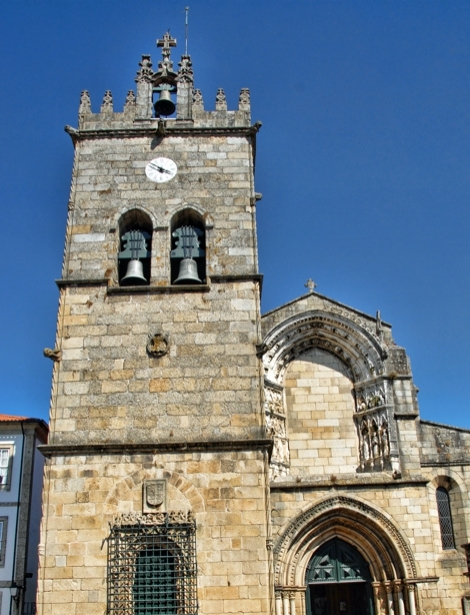
Oliveira's Church

Oliveira's Church

Hotel da Oliveira · · · · · · · · 27 m · · · · · · · · Oliveira's Church

The Church of Oliveira was originally founded by Countess Mumadona in the year 950, as a monastery dedicated to the Savior of the World, the Virgin of Santa Maria and the Holy Apostles.

From the 14th century called the Insigne and Royal Collegiate of Nossa Senhora da Oliveira due to the miracle of the greening of an ancient olive tree in the historic square where it is located.

The continuous renovations and additions that it underwent give it characteristics from different eras - from Manueline, classical and neoclassical, as well as medieval, left to view in its last intervention in the 20th century.

Get directions
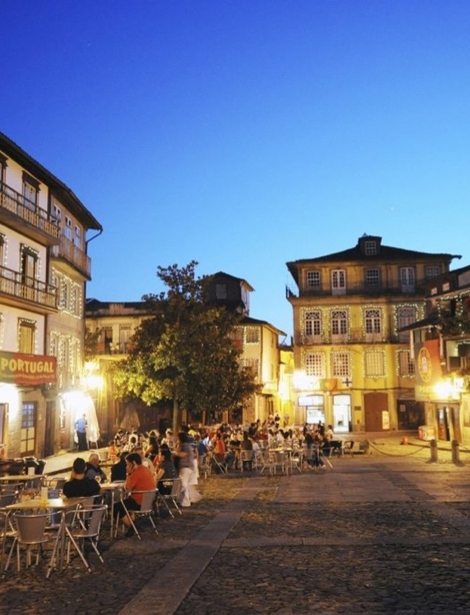
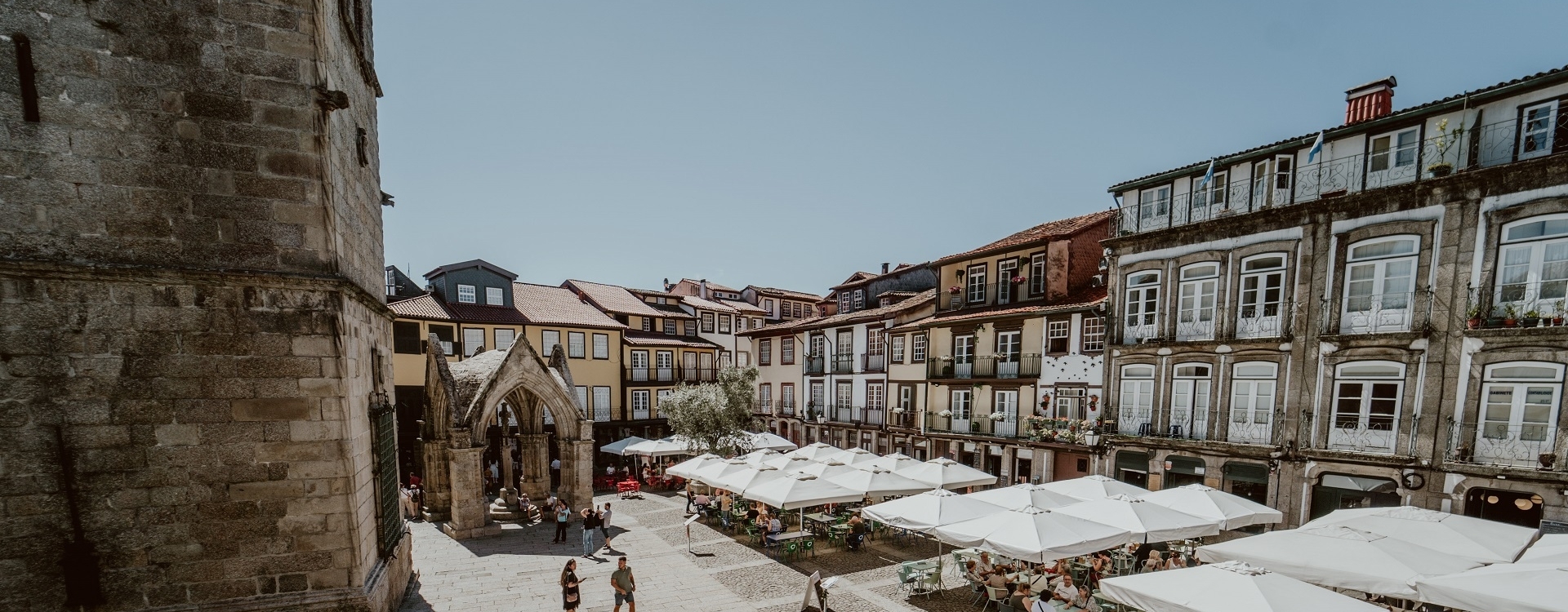
Oliveira Square and Santiago Square

Oliveira Square and Santiago Square

Hotel da Oliveira · · · · · · · · 0 km · · · · · · · · Oliveira Square and Santiago Square

Old legends say that an image of the Virgin Mary was brought to Guimarães by the apostle S. Tiago, and placed in a pagan temple in this square, which came to be called Praça de Santiago.

The Oliveira and Santiago squares, separated only by the former Paços do Concelho, are the two oldest squares in the city and to this day the heart of the Historic Center of Guimarães.

Its medieval characteristics, carefully preserved over the centuries, give them an incomparable and unmissable charm, from dust untill dawn.

Get directions

Discover the best that our city has to offer!

Map

Location

Rua de Santa Maria, Largo da Oliveira 4800-443 Guimarães Portugal

View on Google Maps
View on Google Maps